Every timeline I have ever seen on a planning site is wrong in the same way. It is built for a day where nothing goes wrong.
Real weddings run late. Not because anyone did something silly. Because eighty people moving through a building is slow, and nobody budgets for that.
I have shot a lot of weddings in Vancouver. The late ones all slip in the same four places. Here is where they break, and how to build a schedule that holds.
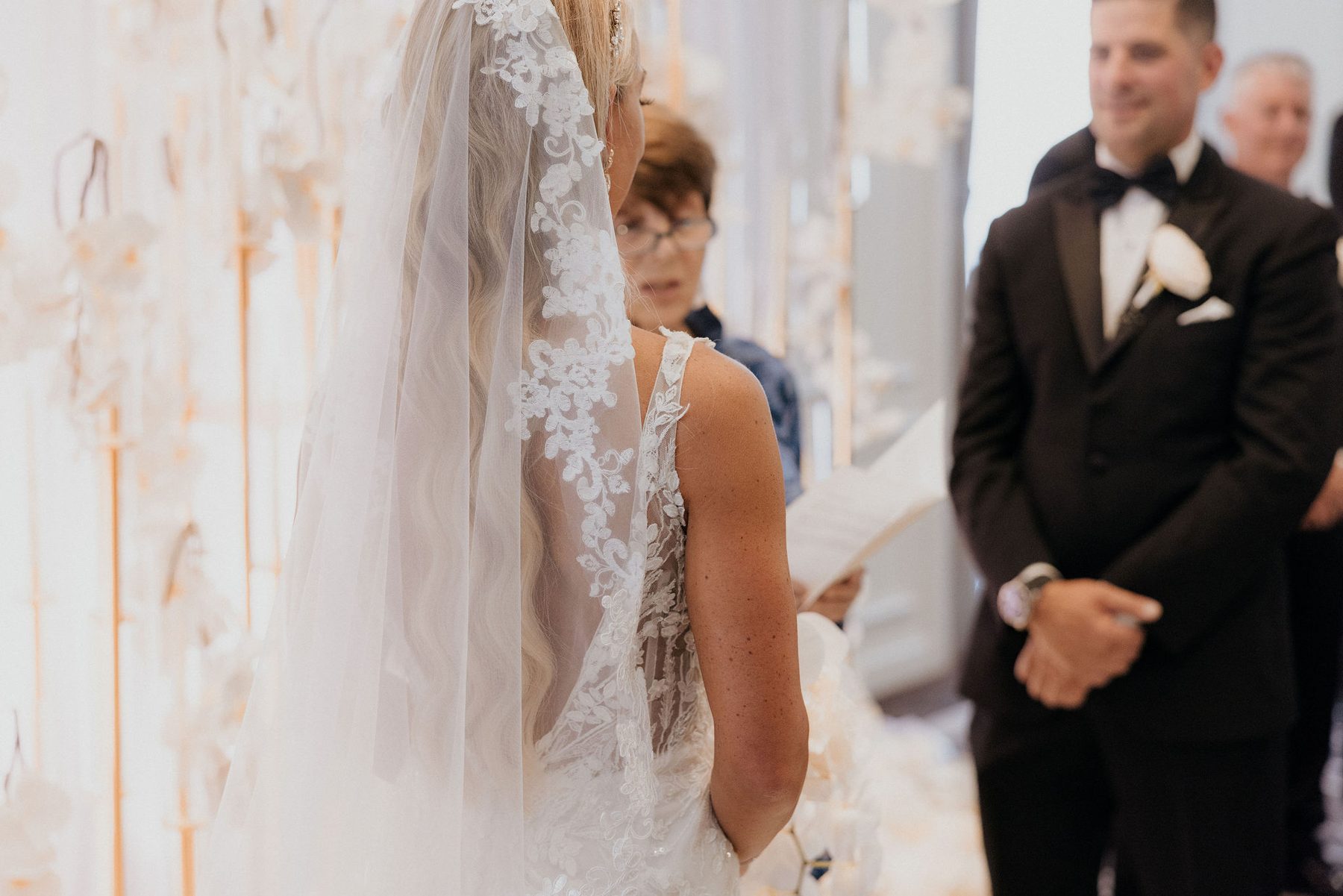
Your ceremony time is the one thing you cannot move. Guests are seated, the officiant is booked, the venue has another event after yours. Write that time down first, then build backward and forward from it.
Most couples start at the beginning of the day and stack things forward. That is how you end up with a ceremony that starts 40 minutes late and a dinner that gets cold.
This is the biggest one. A stylist quotes you 45 minutes per person. Then the bride's mom wants her hair done, and two bridesmaids want their lashes, and the first look is moved up. Add 20 minutes for every extra person and finish an hour before photos start. Not 15 minutes. An hour.
Google says 25 minutes from the hotel to the park. Add loading everyone into cars, a parking hunt, the bride's dress, and Vancouver traffic on the Lions Gate Bridge. Real number: 50 minutes. If you are crossing a bridge on a Saturday in summer, make it more.
A family list of ten groupings takes 20 to 25 minutes. A list of twenty takes 45, and half the people you need are at the bar. Give us a written list, name a person per side to round up relatives, and keep it under twelve groupings. Everyone eats sooner. Everyone is happier.
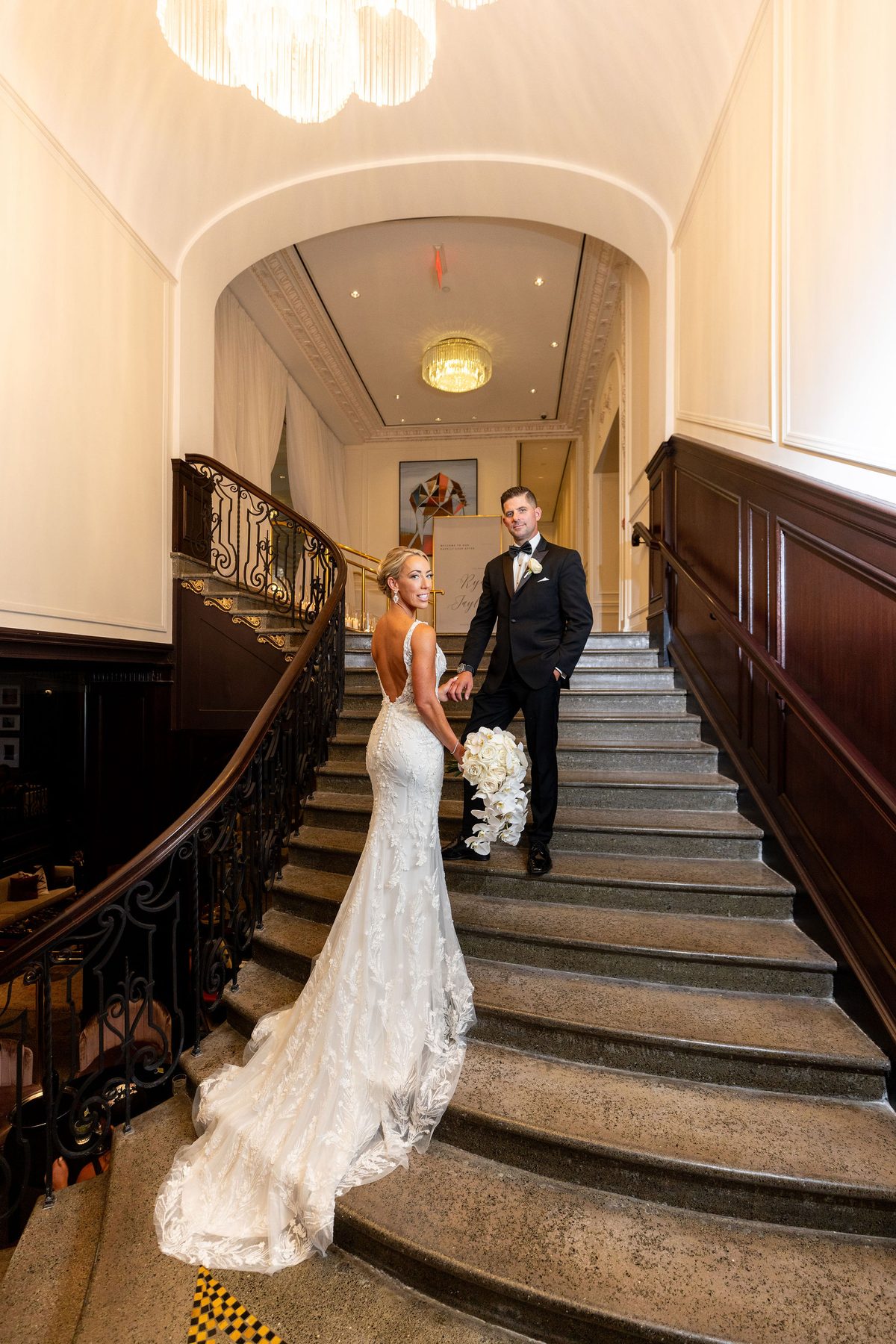
Plan five minutes per speech, then double it. Someone will read a poem. Someone will cry. Someone will tell the story about the ferry. Those moments are the point, so give them room.
Here is the rule I give every couple. Add 15 minutes of buffer after every transition. Getting ready to ceremony. Ceremony to family photos. Photos to portraits. Portraits to reception.
It looks wasteful on paper. It is not. If everything goes smoothly, you get a quiet 15 minutes with your partner to breathe, have a drink and actually see the room. If it does not go smoothly, the buffer absorbs the problem and nobody notices.
A timeline with no slack is a timeline that is already late. You just have not found out yet.
This is a realistic day with a 4:00 pm ceremony. Adjust the clock, keep the gaps.
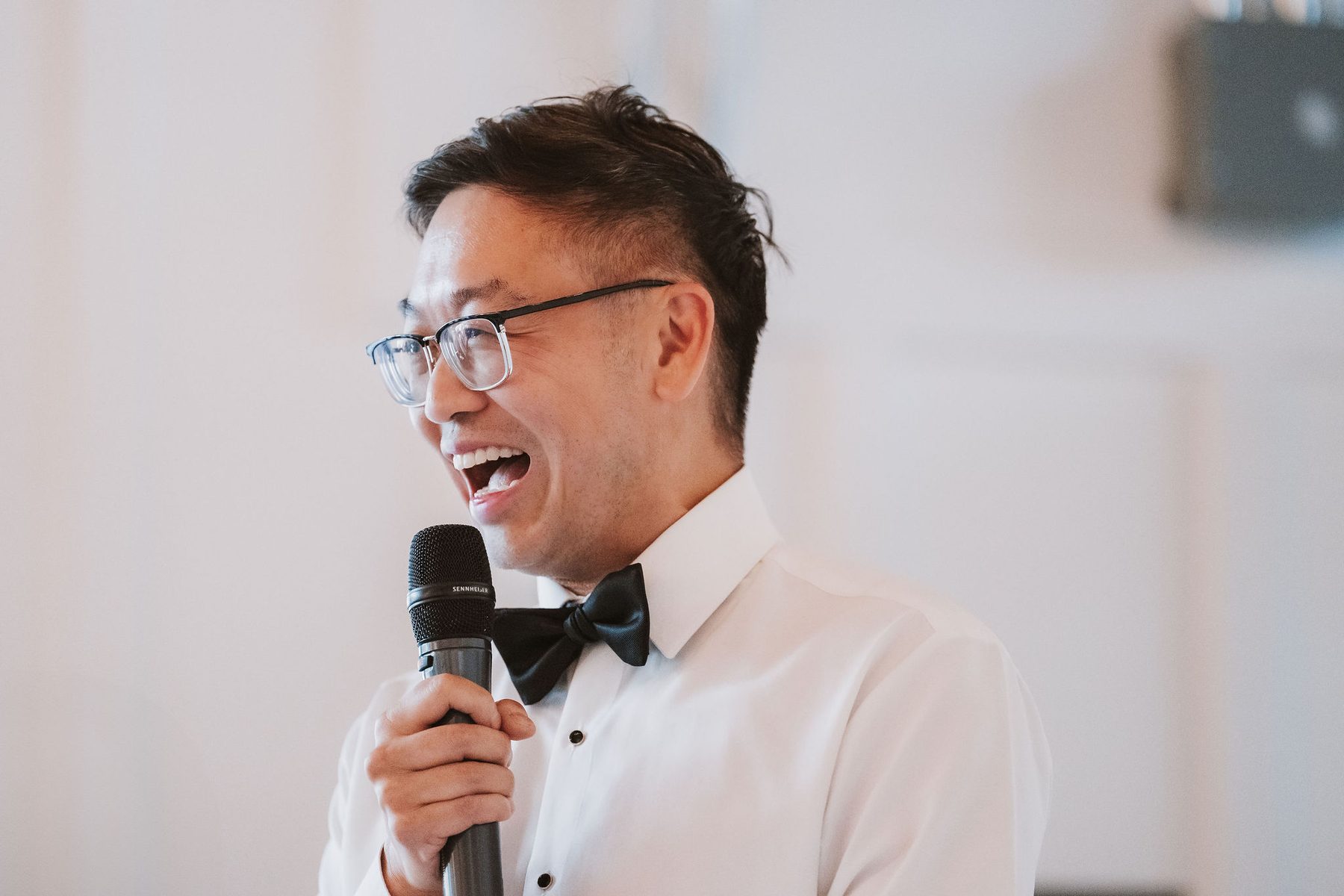
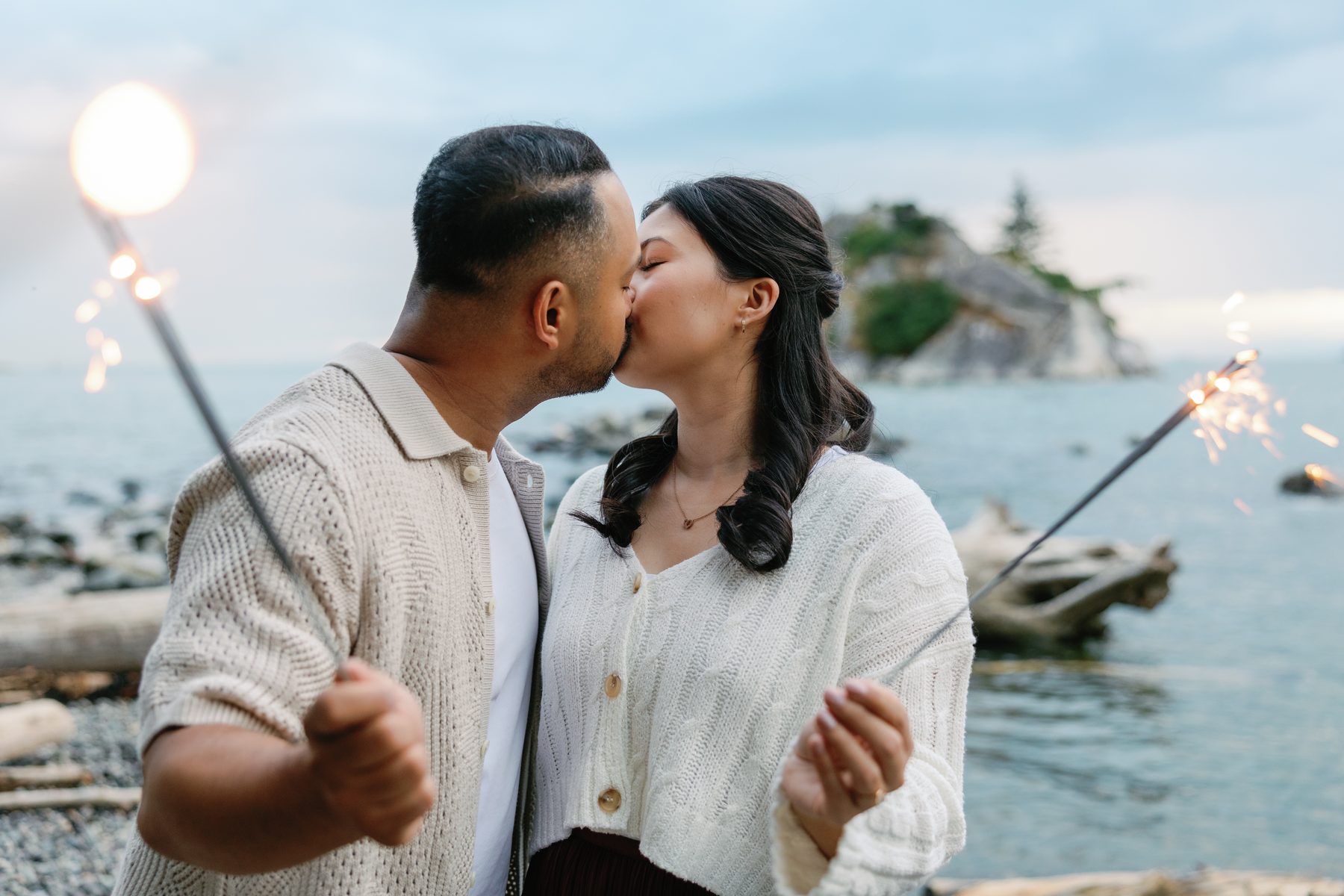
Check the sunset time for your date, then plan couple portraits for the hour before it. In December that is around 4:00 pm in Vancouver, so a late afternoon ceremony means portraits in the dark. In June the light holds past 9:00 pm, which gives you room to eat first.
This is the one place I would rearrange your day. A 15 minute walk at golden hour beats an hour at noon.
Do not schedule the dance floor to open the minute dinner ends. Guests need 20 minutes to move, find a drink and settle. Plan the first dance for when the room is actually ready, and the energy shows up in every frame.
Send the draft timeline to your photographer, your planner and your venue coordinator at the same time. Three sets of eyes will find the gap you missed. We have caught a ceremony booked 20 minutes before sunset on a rainy day, and a family photo slot scheduled during the cocktail hour when nobody could be found.
Not sure how many hours of coverage your timeline needs? Our guide to how many hours of wedding photography you need walks through it. And if you want a second pair of eyes on yours, send it over. I will tell you where I think it breaks.
← Back to the journal